
Além de uma dúvida razoável


Language


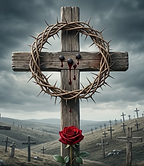


The True Gospel
e


The spiritual path begins with a direct call from Yeshua: “Repent, for the kingdom of heaven is at hand.” This imperative is the doorway to salvation—a foundational, inward shift away from sin and a fallen world, and a redirection of the heart toward the sovereign authority of God.
-
Matthew 4:17 — “From that time Jesus began to preach, and to say, ‘Repent: for the kingdom of heaven is at hand.’”
-
Mark 1:15 — “And saying, ‘The time is fulfilled, and the kingdom of God is at hand: repent ye, and believe the gospel.’”
2. The Doorway: Water Baptism and the Holy Spirit
Following the resurrection and ascension of Yeshua, Peter declared the active steps of covenant entry at Pentecost: turning in repentance, being buried with Messiah in baptism, and receiving divine empowerment through the Spirit.
-
Acts 2:38 — “Then Peter said unto them, ‘Repent, and be baptized every one of you in the name of Jesus Christ for the remission of sins, and ye shall receive the gift of the Holy Ghost.’”
-
John 3:5 — “Jesus answered, ‘Verily, verily, I say unto thee, Except a man be born of water and of the Spirit, he cannot enter into the kingdom of God.’”
3. The Blood: Grafted into the Commonwealth of Israel
By the blood shed on the tree, the dividing wall of hostility was torn down. Nations once alienated from the promises and covenants are brought near and grafted as wild olive branches into the root of Israel.
-
Ephesians 2:12–13 — “That at that time ye were without Christ, being aliens from the commonwealth of Israel, and strangers from the covenants of promise, having no hope, and without God in the world: But now in Yesgua messiah ye who sometimes were far off are made nigh by the blood of Christ.”
-
Romans 11:17 — “And if some of the branches be broken off, and thou, being a wild olive tree, wert graffed in among them, and with them partakest of the root and fatness of the olive tree.”
4. The Commission: Gathering Others into the Harvest
Salvation is not walked in isolation; a grafted branch bears fruit. Believers are commanded to act as fishers of men and ambassadors, working to gather the lost into the Father’s house before the end.
-
Matthew 28:19–20 — “Go ye therefore, and teach all nations, baptizing them in the name of the Father, and of the Son, and of the Holy Ghost: Teaching them to observe all things whatsoever I have commanded you.”
-
Matthew 9:37–38 — “Then saith he unto his disciples, ‘The harvest truly is plenteous, but the labourers are few; Pray ye therefore the Lord of the harvest, that he will send forth labourers into his harvest.’”
-
Luke 14:23 — “And the lord said unto the servant, ‘Go out into the highways and hedges, and compel them to come in, that my house may be filled.’”
5. The Perseverance: Holding Fast Until the End
The culmination of salvation requires endurance through trials, testing, and persecution. The promise of the eternal crown belongs to those who do not turn back.
-
Matthew 24:13 — “But he that shall endure unto the end, the same shall be saved.”
-
Hebrews 10:35–36 — “Cast not away therefore your confidence, which hath great recompence of reward. For ye have need of patience, that, after ye have done the will of God, ye might receive the promise.”
-
Revelation 2:25–26 — “But that which ye have already hold fast till I come. And he that overcometh, and keepeth my works unto the end, to him will I give power over the nations.”
O Verdadeiro Evangelho
Em nenhum lugar nas escrituras Yeshua diz que o evangelho é sobre Ele vindo para morrer por nossos pecados.
O que Yeshua pregou?
Muitos ficariam chocados ao descobrir que a Bíblia define o evangelho de maneira diferente do que sempre foi dito. Uma leitura minuciosa mostra que aceitar o sangue de Cristo em pagamento por nossos pecados — por mais fundamentalmente importante que seja — na verdade não é o foco das "boas novas" que Ele trouxe e que os apóstolos continuaram a pregar. Além de morrer por nossos pecados, Yeshua veio à terra como um mensageiro de Jeová, o Pai:
A boa notícia é que Yehovah ordenou Yeshua para anunciar a vinda de Seu reino aqui na terra.
-
João 8:38 Eu falo do que vi junto de meu Pai, e vós fazeis o que ouvistes de vosso pai”.
-
João 12:49-50 Porque não falei por mim mesmo, mas o Pai, que me enviou, esse mesmo me deu um mandamento: o que dizer e o que falar. 50 E sei que Seu mandamento é a vida eterna. O que eu digo, portanto, digo como o Pai me disse”.
-
João 14:24 Quem não me ama não guarda as minhas palavras. E a palavra que você ouve não é minha, mas dos pais que me enviaram.
-
Lucas 4:43 Yeshua lhes disse: "Devo pregar o reino de Jeová aos
outras cidades também, porque para isso fui enviado”.
Enquanto Yeshua foi categoricamente o indivíduo mais importante que já andou nesta terra, a Bíblia mostra claramente que o evangelho trazido por Yeshua não era simplesmente sobre ele mesmo. Leia Suas declarações e prove isso por si mesmo:
-
Mateus 9:35 Yeshua percorria todas as cidades e aldeias, ensinando nas sinagogas, pregando o evangelho do reino e curando toda sorte de doenças e enfermidades. 36Ao ver as multidões, teve compaixão delas, porque estavam aflitas e desamparadas, como ovelhas sem pastor.…
-
Marcos 1:14-15 Ora, depois que João foi entregue à prisão, veio Yeshua para a Galiléia, pregando
o evangelho do reino de Deus, e dizendo: "O tempo está cumprido, e o reino de Deus está próximo. Arrependam-se e creiam no evangelho".
43
-
Lucas 8:1 E aconteceu depois que Yeshua percorria todas as cidades e aldeias, pregando e trazendo as boas-novas [evangelho] do reino de Deus.
-
Lucas 16:16 A lei e os profetas duraram até João. Desde então, o reino de Deus tem sido pregado, e todos se empenham por ele.
-
Mateus 24:14 E é mais fácil passar o céu e a terra do que cair um til sequer da lei. E este evangelho do reino será pregado em todo o mundo, em testemunho a todas as nações, e então virá o fim.
O anúncio das "boas novas" — as melhores notícias que poderiam ser ouvidas hoje — que o Pai deu por meio de Yeshua, foi sobre o estabelecimento de Seu Reino na terra. O que é um reino?
É essencialmente uma nação, com todos os seus cidadãos, terras e leis, governados por um governo. No uso bíblico, um reino também pode significar uma família de um único pai que se tornou uma nação.
Um reino tem quatro elementos básicos:
-
um rei, governante supremo ou agente governante;
-
território, com sua localização específica e linhas de fronteira definidas;
-
súditos ou cidadãos dessa jurisdição territorial;
-
e leis e uma forma de governo através da qual a vontade do governante é exercida. Se ignorarmos qualquer um desses elementos essenciais – se ignorarmos a mensagem que Yeshua trouxe do Pai – teremos uma fé distorcida, que não trará a salvação.
Quem Será o Rei?
Não pode haver dúvida de que o Rei do Reino de Deus será Yeshua. Embora Ele não tenha exercido nenhuma autoridade civil enquanto esteve na terra, quando Ele voltar, Ele será “Rei dos reis e Senhor dos senhores” I Timóteo 6:15; Apocalipse 19:16; 17:14).
Outros profetas também predisseram a vinda de um rei, não apenas de Israel e Judá, mas também de todo o mundo. Isaías nos diz:
Porque um menino nos nasceu, um filho se nos deu; e o governo estará sobre Seus ombros. E o seu nome será: Maravilhoso, Conselheiro, Deus Forte, Pai da Eternidade, Príncipe da Paz. Do aumento do seu governo e da paz não haverá fim, sobre o trono de Davi e sobre o seu reino, para o estabelecer e o estabelecer com juízo e justiça, desde agora e para sempre. O zelo do SENHOR dos Exércitos fará isso. (Isaías 9:6-7)
Onde o Reino Será Estabelecido? Uma falsidade dominante que Satanás impingiu à humanidade é a crença de que a alma de uma pessoa vai para o céu após a morte. Muitas pessoas assumem que a frase Reino de Deus é sinônimo de céu, mas a Bíblia ensina que quando Yeshua voltar, o Reino de Deus será estabelecido na terra!
Primeiro, observe como a Bíblia refuta completamente a noção de "ir para o céu" após a morte. Pedro diz à multidão no dia de Pentecostes: “Varões irmãos, seja-me permitido falar-vos abertamente a respeito do patriarca Davi, que ele morreu e foi sepultado, e o seu túmulo está entre nós até hoje.
.. Pois Davi não subiu aos céus" (Atos 2:29, 34). Este "homem segundo o coração de Deus" não está no céu, mas ainda na sepultura! Nosso Salvador confirma isso em
-
João 3:13: "Ninguém subiu ao céu, senão aquele que desceu do céu, isto é, o Filho do homem que está no céu."
-
Eclesiastes 9:5,10 Os santos mortos do Antigo e do Novo Testamento estão dormindo em seus túmulos, aguardando a ressurreição - sem consciência.
-
Jó 14:14-15 Jó descreve a espera pela ressurreição desta forma: "Morrendo o homem, porventura tornará a viver? Esperarei todos os dias do meu árduo serviço, até que venha a minha mudança. Chamareis, e eu responder a você.
-
Apocalipse 5:10, "E tu fizeste deles um reino (raça real) e sacerdotes para o nosso Deus, e eles reinarão sobre a terra!"
-
Apocalipse 11:15 Então o sétimo anjo tocou a trombeta: E houve no céu grandes vozes, dizendo; "Os reinos deste mundo se tornaram os reinos de nosso Jeová e de Seu Filho, e Ele reinará para todo o sempre!"
-
Apocalipse 21:21. E vi um novo céu e uma nova terra, pois o primeiro céu e a primeira terra já haviam passado. Também não havia mais mar. Então eu, João, vi a cidade santa, a Nova Jerusalém, descendo do céu, da parte de Deus, ataviada como uma noiva ataviada para o seu esposo. E ouvi uma voz alta do céu dizendo: "Eis que o tabernáculo de Deus está com os homens, e Ele habitará com eles, e eles serão o Seu povo. O próprio Deus estará com eles e será o seu Deus. E Deus os limpará de seus olhos toda lágrima, não haverá mais morte, nem pranto, nem pranto, nem dor, porque as primeiras coisas já passaram.
…
-
Apocalipse 21:1 Quem vencer herdará todas as coisas, e eu serei seu Deus e ele será meu filho." Quem são os súditos e cidadãos do reino? Mesmo que o mundo inteiro seja governado por Yeshua quando Ele estabelecer o reino em terra, nem todos na terra serão cidadãos desse Reino. Todos estarão sujeitos ao Rei dos reis, mas nem todos terão entrado nesse Reino espiritual.
-
João 3:3 Yeshua revelou esta verdade a Nicodemos. Quando Nicodemos veio a Ele à noite, Yeshua lhe disse: "Em verdade, em verdade te digo que aquele que não nascer de novo não pode ver o reino de Deus".
-
1 Coríntios 15:50. Paulo disse aos coríntios "carne e sangue [humanos mortais] não podem herdar o reino de Deus; nem a corrupção herda a incorrupção" Embora tenhamos um corpo físico de carne e osso, podemos ser herdeiros do Reino, mas não podemos entrar totalmente no Reino, nem podemos vê-lo, até que nos tornemos espírito - dado um glorioso corpo composto por espírito na ressurreição.
Isso significa que, embora toda a humanidade esteja sujeita ao Reino que Yeshua governará na terra, eles não necessariamente farão parte dele.
Mateus 25:31-34 Quando o Filho do homem vier em sua glória, e todos os santos anjos com ele, então se assentará no trono de sua glória. Todas as nações serão reunidas diante dele, e ele as separará umas das outras, como o pastor separa as ovelhas dos cabritos. E porá as ovelhas à sua direita, mas os cabritos à esquerda. Então o Rei dirá aos que estiverem à Sua direita: “Vinde, benditos de Meu Pai, possuí por herança o reino que vos está preparado desde a fundação do mundo”. O Reino de Deus, então, será governado por Yeshua, e será herdado por aqueles que foram glorificados ao serem ressuscitados dentre os mortos. Os santos ressuscitados — cidadãos do Reino de Deus — governarão junto com
Yeshua sobre os povos restantes da terra (Daniel 7:27; II Timóteo 2:12; Apocalipse 2:26-28; 5:9-10; 20:4-6; 22:5). Quais são as Leis do Reino?
-
Juízes 21:25. A lei é simplesmente um guia para as pessoas seguirem para garantir a coesão, o acordo e a paz nas relações civis e interpessoais. Sem um padrão compreendido, imposto por um governante soberano, todos agiriam de acordo com seu próprio capricho ou desejo, e nada de bom ou valioso seria produzido. O Reino de Deus não é diferente.
-
I Coríntios 14:33 Deus não é o autor de confusão. Seu Reino será pacífico e ordeiro porque todo aquele que entrar nele terá se submetido voluntariamente à lei - os mandamentos - de Deus. Deus não terá ninguém em Seu Reino que demonstre, pelo padrão de sua vida, que não O obedecerá.
-
(Mateus 7:21-23; Hebreus 10:26-31). Apocalipse 12:17 descreve os santos como aqueles "que guardam os mandamentos de Deus e têm o testemunho de Yeshua.
Essas duas declarações - amar a Deus e amar ao próximo como a si mesmo - englobam os primeiros quatro e os últimos seis mandamentos, respectivamente. Os mandamentos meramente definem mais como amar a Deus e amar o homem. Amamos a Deus em geral, colocando-O em primeiro lugar, não adotando meios físicos para adorá-Lo, não levando Seu nome em vão e guardando o sábado do sétimo dia como sagrado. Amamos o homem, em geral, honrando nossos pais, não matando, não cometendo adultério, não roubando, não mentindo e não cobiçando.
-
João 14:15 “Se vocês me amam, guardem os meus mandamentos. “Aquele que tem os meus mandamentos e os guarda esse é o que me ama. Eu mesmo para ele." "Se alguém me ama, guardará a minha palavra, e meu Pai o amará, e viremos para ele e faremos nele morada. Quem não me ama, não guarda as minhas palavras; e a palavra que ouvis não é minha, mas dos pais que me enviaram".
The Gospel (in Hebrew, the Besorah—"good news") that Yeshua (Jesus) personally preached is summarized in Mark 1:14–15:
"Now after John was put in prison, Yeshua came to Galilee, preaching the gospel of the kingdom of God, and saying, 'The time is fulfilled, and the kingdom of God is at hand. Repent, and believe in the gospel.'"
While modern ears often hear "the gospel" defined exclusively as the mechanics of individual salvation (how to go to heaven when you die), Yeshua’s proclamation was broader, deeper, and grounded in the Hebrew Scriptures: the Gospel of the Kingdom of God (Besorat HaMalkhut).
He announced that the sovereign rule, authority, and covenant reign of the Creator had broken directly into this fallen world through the King Himself.
1. "The Time is Fulfilled" (Prophetic Arrival)
When Yeshua said the time was fulfilled, He was speaking to a nation longing for deliverance. The prophecies of Daniel (the timeline of Daniel 9 and the stone that crushes the kingdoms of the world in Daniel 2) and Isaiah were reaching their climax.
In Luke 4:18–19, He opened the scroll of Isaiah 61 in the Nazareth synagogue to define His mandate:
-
Preaching good tidings to the poor and humble.
-
Healing the brokenhearted.
-
Proclaiming liberty to the captives and the opening of prison to those who are bound.
-
Proclaiming the acceptable year of the Lord (the ultimate Jubilee release from sin and debt).
-
2. "The Kingdom of God is at Hand" (The Core Proclamation)
Yeshua did not preach an abstract philosophy; He preached an active government and reign:
-
Sovereignty over the Kingdom of Darkness: Every time Yeshua cast out a demon, healed incurable diseases, or raised the dead, He was demonstrating that Satan’s usurpation of the earth was being overthrown. "If I cast out demons by the finger of God, surely the kingdom of God has come upon you" (Luke 11:20).
-
The Nature of the King’s Reign: His kingdom was not of this worldly system—it did not advance through political intrigue, violence, or human armies (John 18:36). Instead, it advanced through truth, sacrificial love, humility, and righteousness.
-
Present and Future: The Kingdom is already here in the hearts and walk of those who submit to the King, and it is yet to come in its physical, global fullness when the King returns to establish His reign in Jerusalem (Zechariah 14; Revelation 11:15).
-
3. "Repent" (Teshuvah — A Complete Return)
To enter this Kingdom, the requirement was not a passive intellectual nod, but Teshuvah—a radical turning around:
-
Turning from Self-Rule to God's Rule: Repentance means laying down rebellion, secular autonomy, and false religious pretenses.
-
Internalizing the Commandments: In the Sermon on the Mount (Matthew 5–7), Yeshua explained the constitution of the Kingdom. He made it clear that He did not come to abolish the Law or the Prophets, but to fill them to the full (Matthew 5:17). Kingdom repentance goes beyond external legalism to the motives of the heart—eradicating lust, hatred, pride, and greed.
-
Fruit of Repentance: Just as John the Baptist warned, Yeshua taught that true repentance always bears observable, righteous fruit (Matthew 7:16–21).
-
4. "Believe in the Good News" (Covenant Faith & Allegiance)
In the biblical mindset, "belief" (emunah) is not merely agreeing that God exists; it is active loyalty, trust, and obedience to the King:
-
Trusting the Father’s Provision: Ceasing to worry about food, drink, and clothing like the nations do, but rather "seeking first the kingdom of God and His righteousness, and all these things shall be added to you" (Matthew 6:33).
-
Trusting the Sacrifice of the Son: Yeshua taught that He came "not to be served, but to serve, and to give His life a ransom for many" (Mark 10:45). The Good News is that the King took the curse of our disobedience upon Himself at Passover, shedding His blood to ratify the New Covenant (Matthew 26:28).
-
Victory Over the Grave: Yeshua promised that whoever hears His word and believes Him who sent Him has passed from death into life (John 5:24), anchored by His own resurrection as the firstfruits from the dead.
-
5. Summary: What Entering the Gospel Requires
In Yeshua's own words, walking in the Gospel means:
-
Denying Self: "If anyone desires to come after Me, let him deny himself, and take up his cross daily, and follow Me" (Luke 9:23).
-
Obeying the Father's Will: "Not everyone who says to Me, 'Lord, Lord,' shall enter the kingdom of heaven, but he who does the will of My Father in heaven" (Matthew 7:21).
-
Loving God and Neighbor: Loving the Lord with all your heart, soul, mind, and strength, and loving your neighbor as yourself (Mark 12:29–31).
-
Proclaiming the Kingdom to All Nations: "And this gospel of the kingdom will be preached in all the world as a witness to all the nations, and then the end will come" (Matthew 24:14).
In short, the Gospel Yeshua taught is the royal proclamation that God’s reign has arrived in His Messiah, calling every human heart to turn away from sin, enter covenant peace with the Father through the Son, and live as an obedient citizen of His eternal Kingdom.
In ancient kingdoms, when a king ascended his throne, he issued a royal charter or legal code declaring how his realm would be governed and what was expected of his subjects. In Matthew 5–7, Yeshua goes up on a mountain—echoing Moses ascending Mount Sinai—sits down in the posture of a reigning king and teacher, and delivers the manifesto of His newly inaugurated reign.
The Sermon on the Mount is not an impractical, idealistic philosophy, nor is it a checklist to earn salvation. It is the living, practical constitution of the Kingdom of God, dictating the character, inner motives, ethics, and daily allegiance required of every citizen walking under Messiah's rule.
1. The Preamble: The Citizen’s Internal Disposition (The Beatitudes)
Any national constitution opens with foundational values. Earthly empires prize military conquest, political clout, wealth, and self-assertion. Yeshua begins His charter (Matthew 5:3–12) by turning the world's value system completely upside down:
-
Poor in Spirit: Recognizing total spiritual bankruptcy and utter dependence on the King.
-
Mourning: Grieving over personal sin and the brokenness of a fallen world.
-
Meekness: Possessing harnessed strength, patience, and humility rather than violent ambition.
-
Hunger for Righteousness: Longing for God’s righteous order to prevail more than craving food or physical comfort.
-
Mercy and Purity of Heart: Extending forgiveness and maintaining undivided, uncorrupted loyalty to God.
-
Peacemaking: Actively reconciling estranged parties, reflecting the character of the Father.
These are not separate groups of people receiving different rewards; together, they describe the temperament of the citizen who has laid down self-rule.
2. The Citizen’s Public Office: Salt and Light
Citizens of the Kingdom do not live in isolationist enclaves; they are embedded directly into a decaying and dark culture (Matthew 5:13–16):
-
Salt of the Earth: In antiquity, salt was a preservative that arrested rot and decay. Kingdom citizens preserve truth, hold back moral corruption, and bring spiritual flavor to the societies they inhabit.
-
Light of the World: Light exposes danger and guides the traveler. Believers do not hide their allegiance to the King; their visible, tangible good works shine so that observers give glory directly to the Father.
-
3. The Legal Standard: Fulfilling and Internalizing the Law
In Matthew 5:17–20, Yeshua establishes the legal framework of His government, dispelling any thought of lawlessness or anarchy:
"Do not think that I came to destroy the Law or the Prophets. I did not come to destroy but to fulfill. For assuredly, I say to you, till heaven and earth pass away, one jot or one tittle will by no means pass from the law till all is fulfilled."
To "fulfill" (pleroo) in Hebrew thought means to bring the law to its fullest intended meaning and expression, not to abolish it. Yeshua contrasts the superficial, external legalism of the religious establishment with the King’s internal standard. Through a series of six antitheses ("You have heard that it was said... but I say to you"), He shows that the King's law governs the thoughts and desires before an act is ever committed:
-
Murder vs. Contempt: It is not enough to refrain from physical murder; harboring bitter anger, resentment, or hurling venomous insults (Raca) makes one liable to judgment (5:21–26).
-
Adultery vs. Lust: Purity is not just refraining from physical unfaithfulness; looking with covetous intent is adultery in the heart (5:27–30).
-
Oaths vs. Total Integrity: Citizens do not need elaborate religious oaths or legal loopholes to verify their truthfulness; their word is their bond—their "Yes" means yes, and their "No" means no (5:33–37).
-
Retaliation vs. Sacrificial Generosity: Rather than demanding immediate vengeance ("an eye for an eye"), citizens yield personal rights, go the extra mile, and overcome evil with good (5:38–42).
-
Love for Enemies: The ultimate test of Kingdom citizenship is reflecting the Father’s indiscriminate benevolence—praying for persecutors and blessing those who curse you (5:43–48).
-
4. Public Duty & Worship: Sincerity Over Religious Theater
In Matthew 6, Yeshua regulates the three primary pillars of personal religious duty: giving, prayer, and fasting. In earthly systems, piety is often weaponized for social prestige. In the Kingdom, performance art is condemned:
-
Secret Giving (Alms): Giving to the needy without sounding a trumpet or announcing tax write-offs; the left hand does not know what the right is doing.
-
Secret Prayer: Communing behind closed doors with the Father, rather than reciting vain, repetitive words to impress bystanders. He provides the Model Prayer (the Lord's Prayer), teaching citizens to align their desires with the Father’s name, His kingdom coming, and His will being done on earth.
-
Secret Fasting: Anointing the head and washing the face so that the physical affliction of fasting is unseen by men, directed only to the Father who sees in secret.
-
5. The Economic System: Trust, Not Striving
Every kingdom has an economy. The economy of the world is driven by fear, scarcity, hoarding, and status anxiety. The Kingdom of God operates on radical faith in divine provision (Matthew 6:19–34):
-
Currency: True wealth is not stored in physical barns, bank vaults, or commodities where moth and rust destroy; it is stored in heaven through generous, righteous living.
-
Singular Focus: A servant cannot serve two masters. You cannot pledge allegiance to the Creator while serving Mammon (wealth/money).
-
Freedom from Worry: Citizens do not sweat and panic over daily bread or clothing like the pagans do. The King feeds the birds of the air and clothes the lilies of the field. The citizen's sole operational directive is:
"Seek first the kingdom of God and His righteousness, and all these things shall be added to you." (Matthew 6:33)
6. Relational Protocol: Righteous Discernment Without Self-Righteous Condemnation
In Matthew 7:1–12, Yeshua sets the rules for how citizens treat one another:
-
The Spec and the Log: Before attempting to perform delicate eye surgery on a brother’s fault, remove the massive log of blind self-righteousness from your own eye.
-
Holy Discernment: While judgment is warned against, discernment is commanded—do not cast pearls before swine or give what is sacred to dogs.
-
Persistent Petitions: Keep asking, seeking, and knocking, trusting that the Father gives good gifts to His children.
-
The Royal Rule (The Golden Rule): "Whatever you want men to do to you, do also to them, for this is the Law and the Prophets." (Matthew 7:12)
-
7. The Ratification: Hearing vs. Doing
A constitution is useless if it is merely read and debated rather than obeyed. Yeshua concludes His address with four sobering warnings demanding personal allegiance:
-
Two Gates: The wide, crowded gate leading to destruction versus the narrow, difficult gate leading to life (7:13–14).
-
Two Trees: True prophets and false prophets, known not by their charisma or titles, but by their actual fruit (7:15–20).
-
Two Confessions: Warning that crying "Lord, Lord" or performing signs in His name is worthless if one practices lawlessness (anomia). Only those who do the will of the Father will enter (7:21–23).
-
Two Foundations: The sermon ends with a dramatic builder’s test. The person who hears these words and builds on them is a wise man who digs deep and anchors his house on the solid bedrock. When the storms, floods, and winds beat against that life, it stands firm. The person who hears and does not obey builds on shifting sand—and great is the fall of it (7:24–27).
-
When Yeshua concluded, the crowds were astonished. He did not quote human traditions or cite precedent like the scribes; He spoke as the Lawgiver and King Himself, laying down the permanent, unalterable rule of life for all who call Him Lord.